 By
By 
Planning a wedding at home can be one of the most meaningful decisions you make. Your home already carries personal history, emotional significance, and comfort that no venue can replicate. When thoughtfully planned, an at-home wedding offers intimacy, flexibility, and a setting that feels unmistakably yours. However, without a clear plan, it can also feel overwhelming.
A stress-free wedding at home starts with realistic expectations. You are not simply hosting a ceremony—you are temporarily transforming your property into a functional event venue. That shift requires coordination, rentals, timelines, and a willingness to think several steps ahead. The good news is that with proper planning, each decision becomes manageable.
One of the biggest advantages of hosting your wedding at home is control. You choose the layout, the pacing, the vendors, and the overall atmosphere. You are not constrained by rigid venue rules or limited time slots, which allows for a more relaxed experience when approached methodically.
That said, control also comes with responsibility. Parking, restrooms, food service, weather contingencies, and property maintenance all fall on your planning checklist. Addressing these elements early prevents last-minute stress and keeps your focus where it belongs—on celebrating.
This guide breaks the process into practical, sequential steps. Rather than approaching wedding planning emotionally, this framework emphasizes logistics, preparation, and smart outsourcing. Each section focuses on one major component that directly affects guest comfort and event flow.
From rentals and catering to home improvements and personal self-care, every detail works together to support a smooth day. Skipping steps or underestimating logistics can quickly create pressure, but proactive planning eliminates most common issues.
At-home weddings also require coordination between your personal space and event needs. Your backyard, driveway, and interior spaces must function efficiently for several hours, sometimes for multiple days. Preparing those spaces ahead of time reduces disruption and post-event cleanup.
By following a step-by-step approach, you can enjoy the benefits of a home wedding without the chaos. With the right preparation, your home becomes more than a venue—it becomes the foundation for a calm, memorable celebration.
Renting a Party Tent
Weather is the single most unpredictable factor in any outdoor wedding, which makes party tent rentals a foundational decision. Even if rain is unlikely, a tent provides shade, structure, and visual cohesion for your ceremony or reception. It also establishes clear boundaries for guest seating and vendor placement.
When exploring party tent rentals, consider size first. Your tent should comfortably accommodate guests, tables, catering equipment, and dance space without feeling cramped. Many couples underestimate square footage, so working with a rental provider to calculate capacity is essential.
Beyond size, think about flooring and sidewalls. Flooring creates stability on grass and elevates the overall look, while sidewalls offer protection from wind or sudden weather changes. These additions increase comfort and reduce risk on your wedding day.
Tent placement matters as much as the tent itself. Choose a level area with easy access to power, catering routes, and restrooms. Early placement planning also helps you visualize the layout for seating, decor, and lighting.
Renting a Dumpster
Hosting a wedding at home generates far more waste than a typical gathering. From packaging and decor materials to food service and cleanup, managing waste efficiently is critical. This is where professional dumpster services become a practical necessity.
Renting a dumpster before the event keeps trash contained and prevents overflow in household bins. It also simplifies post-wedding cleanup, allowing you to restore your property quickly without multiple disposal trips.
Choose a dumpster size based on guest count and event duration. Multi-day events or large receptions require more capacity, while smaller weddings may only need a compact option. Scheduling drop-off and pickup in advance avoids logistical conflicts.
Placing the dumpster discreetly but accessibly ensures vendors and helpers can use it without disrupting the event’s appearance. Proper waste management reduces stress and keeps your focus on the celebration, not cleanup logistics.
Renting Porta Potties

Bathroom access is one of the most overlooked aspects of at-home weddings. Relying solely on indoor restrooms can strain plumbing and create long lines. Portable toilets offer a practical solution that protects your home and improves guest comfort.
Modern portable toilets are far more refined than many people expect. Options range from standard units to upscale restroom trailers with lighting, sinks, and climate control. Selecting the right type depends on your guest list and event style.
The general rule is one unit per 50 guests for a four-hour event, with additional units for longer durations. Placement should balance privacy with convenience, ideally near but not directly within main gathering areas.
By planning restroom access in advance, you eliminate a common source of stress and ensure guests remain comfortable throughout your wedding day.
Coordinating the Catering
Food sets the tone for your reception, making catering coordination a central planning task. Working with a local caterer offers flexibility, personalization, and logistical familiarity with community events and suppliers.
A local caterer understands regional tastes, seasonal availability, and realistic service timelines. They can also advise on portion sizes, staffing needs, and equipment rentals based on your specific setup.
When planning catering for a home wedding, confirm space requirements early. Prep areas, serving stations, and trash management all need designated locations. Clear communication prevents last-minute adjustments.
Coordinating catering well in advance allows you to align menu choices with guest experience while ensuring smooth service from start to finish.
Serving Mexican Cuisine

Mexican cuisine is a popular and practical choice for home weddings due to its versatility and crowd appeal. Sourcing local Mexican food allows you to serve bold flavors while supporting nearby businesses.
Buffet-style service works particularly well with Mexican dishes, offering flexibility for guests and efficient service for caterers. Tacos, enchiladas, rice, and fresh salsas accommodate a wide range of dietary preferences.
When selecting local Mexican food providers, discuss spice levels, vegetarian options, and serving logistics. Clear planning ensures food stays fresh and presentation remains consistent throughout the event.
Thoughtfully chosen cuisine adds warmth and personality to your wedding while simplifying service logistics.
Prioritizing Self-Care Before the Wedding
Planning can quickly overshadow personal well-being if you are not intentional. Prioritizing self-care in the weeks leading up to your wedding supports both physical appearance and mental clarity.
Simple routines like hydration, rest, and skincare go a long way. Many couples also schedule cosmetic services such as teeth whitening to boost confidence without requiring extensive recovery time.
Self-care should be planned, not improvised. Booking appointments early prevents scheduling conflicts and ensures you feel your best without unnecessary stress.
When you feel prepared and rested, decision-making becomes easier and the entire experience feels more enjoyable.
Maintaining Your HVAC System
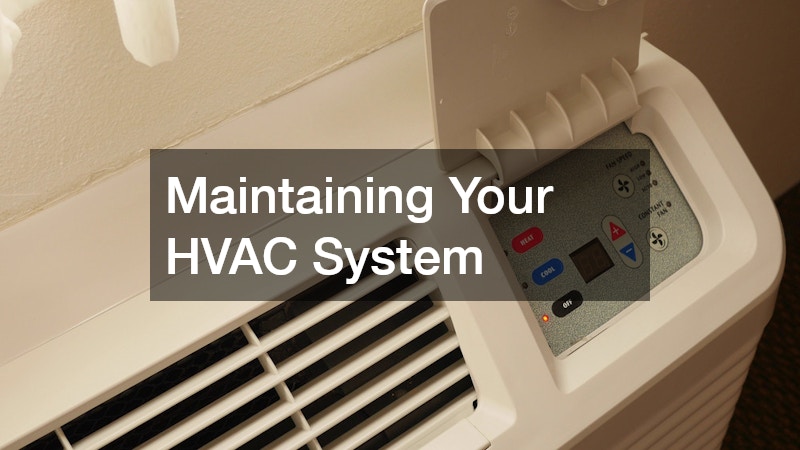
If any part of your celebration includes indoor space, climate control is essential. HVAC repairs and maintenance should be completed well before your wedding to avoid unexpected breakdowns.
An overworked system can struggle with large groups, especially during seasonal temperature extremes. Scheduling a professional inspection ensures your system can handle increased demand.
Proper HVAC function keeps guests comfortable and protects food, decor, and electronics. It also prevents last-minute emergencies that disrupt your timeline.
Addressing HVAC needs early is a preventive step that supports a seamless event experience.
Building a Deck
Some homes benefit from added outdoor structure when hosting a wedding. Working with a custom deck builder can expand usable space for seating, dining, or dancing.
A deck creates level footing and defines event zones, making layout planning easier. It also enhances the long-term value of your home beyond the wedding day.
If construction is needed, begin months in advance to allow for permits, inspections, and finishing. Rushing this process introduces unnecessary risk.
A well-built deck improves both aesthetics and functionality, supporting a more organized celebration.
Sprucing Up Your Backyard

Your backyard becomes the visual centerpiece of an at-home wedding. Preparing it properly elevates the overall atmosphere and ensures safety for guests.
Services from tree trimming companies help manage overgrowth, remove hazards, and improve sightlines. Clean landscaping creates a polished, intentional look.
Address uneven ground, lighting needs, and noise considerations early. These details influence guest comfort and flow throughout the event.
A well-maintained backyard sets the stage for a memorable celebration without requiring excessive decor.
Fixing Up Your Home
Your home’s condition directly impacts guest experience. Addressing necessary roof repairs and exterior maintenance prevents issues during the event.
Leaks, loose shingles, or structural concerns should be resolved well ahead of time. These fixes protect both guests and property while reducing anxiety.
Even minor improvements contribute to a more polished presentation. A well-maintained home reflects thoughtful preparation and care.
Proactive repairs allow you to focus on enjoying your wedding rather than managing problems.
Planning Your Big Day
Planning a wedding at home is ultimately about creating an experience that feels intentional rather than improvised. When you approach the process step by step, the logistics become manageable, and the emotional weight of planning feels lighter. Instead of reacting to problems as they arise, you are proactively shaping a day that reflects your priorities and values.
One of the greatest benefits of an at-home wedding is flexibility, but that flexibility works best when paired with structure. Rentals, vendors, and home preparations each play a specific role in keeping the day running smoothly. When those elements are addressed early, you avoid unnecessary pressure in the final weeks leading up to your wedding.
Comfort should always be a guiding principle. Guest flow, weather protection, restrooms, and climate control may not be glamorous topics, but they directly affect how enjoyable the day feels for everyone involved. When guests are comfortable, they are free to focus on celebrating with you rather than navigating inconveniences.
Food and hospitality are equally impactful. Thoughtfully coordinated catering and menu choices help establish the tone of your reception and contribute to lasting memories. When meals are well-timed and easy to enjoy, they support conversation, connection, and a relaxed atmosphere.
Your home itself deserves attention as part of the planning process. Addressing repairs, outdoor upkeep, and functional upgrades protects your investment and prevents disruptions. These improvements also serve a dual purpose by enhancing your property long after the wedding is over.
Personal well-being should never be an afterthought. Taking care of yourself before the big day allows you to show up feeling confident, present, and energized. When you prioritize rest and simple self-care, you give yourself permission to enjoy the moment rather than rush through it.
Clear communication ties every detail together. Coordinating timelines with vendors, family members, and helpers ensures that everyone understands their role. This clarity reduces confusion and allows the day to unfold naturally instead of feeling tightly controlled.
An at-home wedding does not need to compete with a traditional venue to feel special. Its strength lies in authenticity, familiarity, and personal meaning. When planned thoughtfully, your home becomes a backdrop that enhances the ceremony rather than distracting from it.
Stress-free does not mean flawless. It means being prepared enough to adapt when small changes arise. With strong planning in place, minor hiccups become manageable instead of overwhelming.
By investing time in preparation, you give yourself the gift of presence on your wedding day. Rather than managing logistics, you can focus on what truly matters—celebrating your commitment, welcoming loved ones, and creating memories that feel genuine, warm, and entirely your own.
Planning with intention also gives you the confidence to let go when the day arrives. Because the major details have already been handled, you can trust the process and allow the celebration to unfold naturally. That sense of trust reduces anxiety and helps you stay emotionally present throughout the ceremony and reception.
Hosting your wedding at home creates a unique opportunity to blend tradition with personal touches. The familiar setting encourages meaningful interactions, unhurried conversations, and moments that might not happen in a more structured venue. These subtle experiences often become the memories you cherish most.
When the day is over and the last guest has left, what remains is not just a successful event but a deeply personal milestone tied to your home. With thoughtful planning and realistic expectations, your wedding becomes more than a single day—it becomes a lasting chapter in the place where your life continues to unfold.