By
By 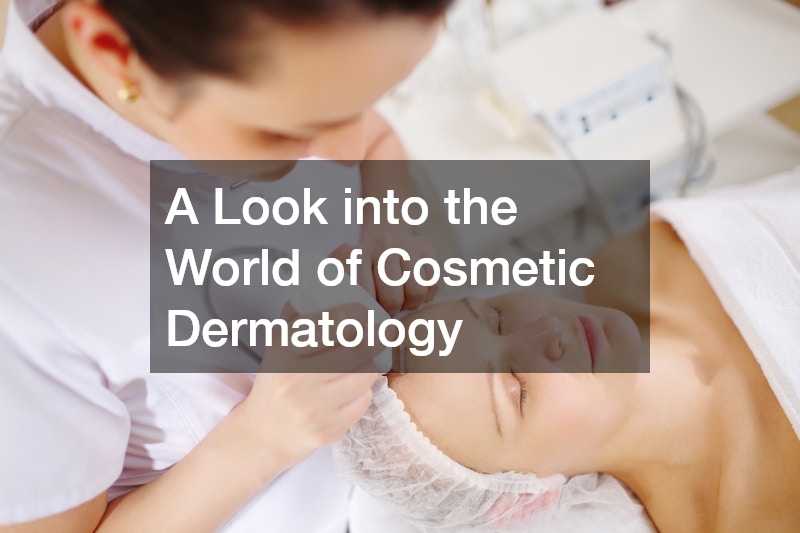
The field of cosmetic dermatology has seen a significant evolution over the past few decades. As advancements in technology continue to revolutionize skincare, more individuals are seeking ways to enhance their appearance and boost their confidence. Cosmetic dermatology encompasses a wide range of treatments that go beyond the traditional scope of addressing skin diseases and infections.
Patients today have access to a variety of non-invasive treatments that offer quick results with minimal downtime. These procedures are designed to improve skin texture, tone, and overall aesthetics, offering solutions for aging skin, blemishes, and other cosmetic concerns. The broad spectrum of available options allows personalized treatment plans tailored to meet individual needs and preferences.
As our understanding of skin biology and aesthetics deepens, cosmetic dermatologists are increasingly able to deliver exceptional outcomes. This burgeoning specialty bridges the gap between medical dermatology and aesthetic enhancement, offering cutting-edge procedures like laser treatments, injectables, and skin rejuvenation therapies. Patients are drawn to the promise of looking more youthful without the invasiveness of traditional surgeries.
The Rise in Popularity of Minimally Invasive Procedures
Minimally invasive procedures in cosmetic dermatology have garnered immense popularity due to their effectiveness and convenience. Treatments such as Botox and dermal fillers are among the most sought-after solutions for individuals looking to reduce the visible signs of aging. These procedures involve little to no recovery time, making them an attractive option for those with busy lifestyles.
Dermal fillers, made of substances like hyaluronic acid, are used to restore lost volume and diminish facial wrinkles. The quick procedure can take as little as 30 minutes to perform and results can last anywhere from several months to over a year, depending on the type of filler used. Besides facial rejuvenation, fillers can also enhance facial contours, providing a non-surgical alternative to traditional face-lifts.
Another vital aspect contributing to the surge in minimally invasive procedures is the increasing awareness and acceptance of cosmetic enhancements. People are now more comfortable discussing and opting for these procedures as a part of their self-care routines. The widespread availability of safe, result-oriented solutions empowers individuals to achieve their desired appearance with minimal risk.
Technological Advancements Shaping Cosmetic Dermatology
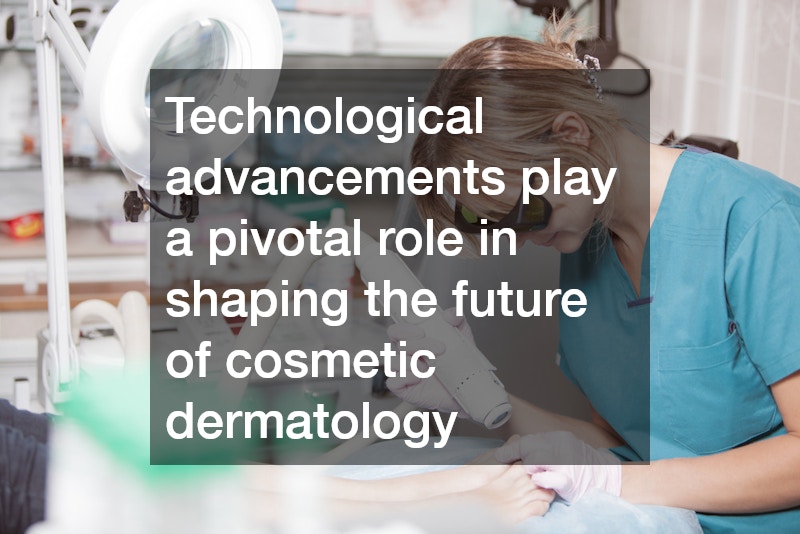
Technological advancements play a pivotal role in shaping the future of cosmetic dermatology. State-of-the-art lasers have transformed treatments for skin resurfacing, pigmentation issues, and scar reduction, offering remarkable precision and efficacy. These technologies allow for targeted treatments, minimizing damage to surrounding tissues and promoting faster healing.
Innovative laser treatments such as fractional CO2 lasers and intense pulsed light (IPL) have become game-changers in the domain of cosmetic skin enhancement. They provide outstanding results for a wide range of concerns, from age spots and sun damage to fine lines and acne scars. Additionally, these technologies have opened up new possibilities for treating skin types that were previously considered challenging.
Alongside advancements in lasers, radiofrequency, and ultrasound technologies are also making strides in skin tightening and lifting. Non-surgical options, such as Ultherapy, utilize focused ultrasound energy to stimulate collagen production, resulting in firmer, more youthful skin. Such advancements underscore the dynamic nature of cosmetic dermatology, continuously evolving to meet patient demands with safer and more refined solutions.
The Art and Science of Personalized Treatment Plans
The art and science of personalized treatment plans in cosmetic dermatology are at the heart of achieving optimal patient outcomes. Each individual’s skin is unique, requiring customized approaches to effectively address their specific concerns. Dermatologists assess factors such as skin type, condition severity, and personal goals to create tailored treatment strategies.
Personalization extends to combining multiple modalities for comprehensive skin rejuvenation. For instance, laser treatments may be paired with injectables to achieve synergistic results that are greater than the sum of their parts. This holistic approach acknowledges the multifaceted nature of skin aging and allows for more natural-looking enhancements.
Moreover, patients are increasingly taking advantage of personalized skincare regimens that complement cosmetic procedures. Dermatologists play a pivotal role in directing the use of targeted skincare products designed to prolong the effects of treatments. The combination of in-office procedures and at-home care ensures long-lasting, satisfying results for patients.
The Future of Cosmetic Dermatology
The future of cosmetic dermatology is poised for remarkable growth and innovation. With an ever-expanding array of treatments, the field anticipates further advancements that will refine current practices and introduce new possibilities. Increased research into skin science promises groundbreaking discoveries that will enhance patient care and outcomes.
The integration of artificial intelligence (AI) could further revolutionize cosmetic dermatology by aiding in the diagnosis and treatment planning processes. AI-driven tools are expected to offer enhanced precision in assessing skin conditions and determining optimal treatment pathways. This evolution marks a shift towards more accurate, efficient, and personalized care in cosmetic dermatology.
As societal attitudes toward aesthetics continue to evolve, the demand for innovative cosmetic interventions is likely to rise. Practitioners will need to keep pace with this demand by staying informed about new technologies and methodologies. Cosmetic dermatology is set on a trajectory toward unprecedented capabilities, promising exciting opportunities for both patients and providers in the years to come.